
Three Benefits of Mindfulness and Yoga Practices (Even If You’re Busy)
Table of Contents

If you love the idea of improving your life but can’t imagine adding another “habit,” you’re not alone. Stress stacks up fast in 2026. We scroll, we juggle, we push through… and then wonder why we can’t sleep, why our shoulders live up by our ears, and why small decisions feel weirdly hard.
That’s where these three benefits of mindfulness and yoga come in. Mindfulness is paying attention on purpose to what’s happening right now (but maybe avoiding terrifying news headlines if you can), without beating yourself up about it. Yoga is movement, breath, and focus working together, sometimes quietly, sometimes with a little sweat.
This post covers three benefits of mindfulness and yoga: mental benefits, physical benefits, social perks, as well as how to start without feeling intimidated. You don’t need to be flexible, spiritual, or decked out in expensive gear (although you probably already have it – see a video that’s been making me laugh for over ten years below). All you need is a few minutes and a little willingness to show up… imperfectly.
1. Mindfulness and yoga help your mind and body (and why it matters)
They calm your stress response, so you can think again

When you’re stressed, your body acts like there’s a lion in the kitchen. Heart rate up, breathing shallow, muscles tight, thoughts racing. Mindfulness and yoga can help flip the switch in the other direction, toward “okay, I’m safe enough to breathe.”
In plain terms, you’re practicing downshifting. Not magically. Not instantly. But over time, your nervous system often gets better at settling after a spike. That can show up as fewer stress spirals, less snapping at people you actually like, and more “I can handle this” energy when the day gets messy.
If you want a straightforward explanation of how movement plus mindful attention can ease stress and anxious feelings, this Harvard Health overview on movement and mindfulness is a solid, grounded read.
They support sleep, posture, and everyday aches (the unglamorous wins)

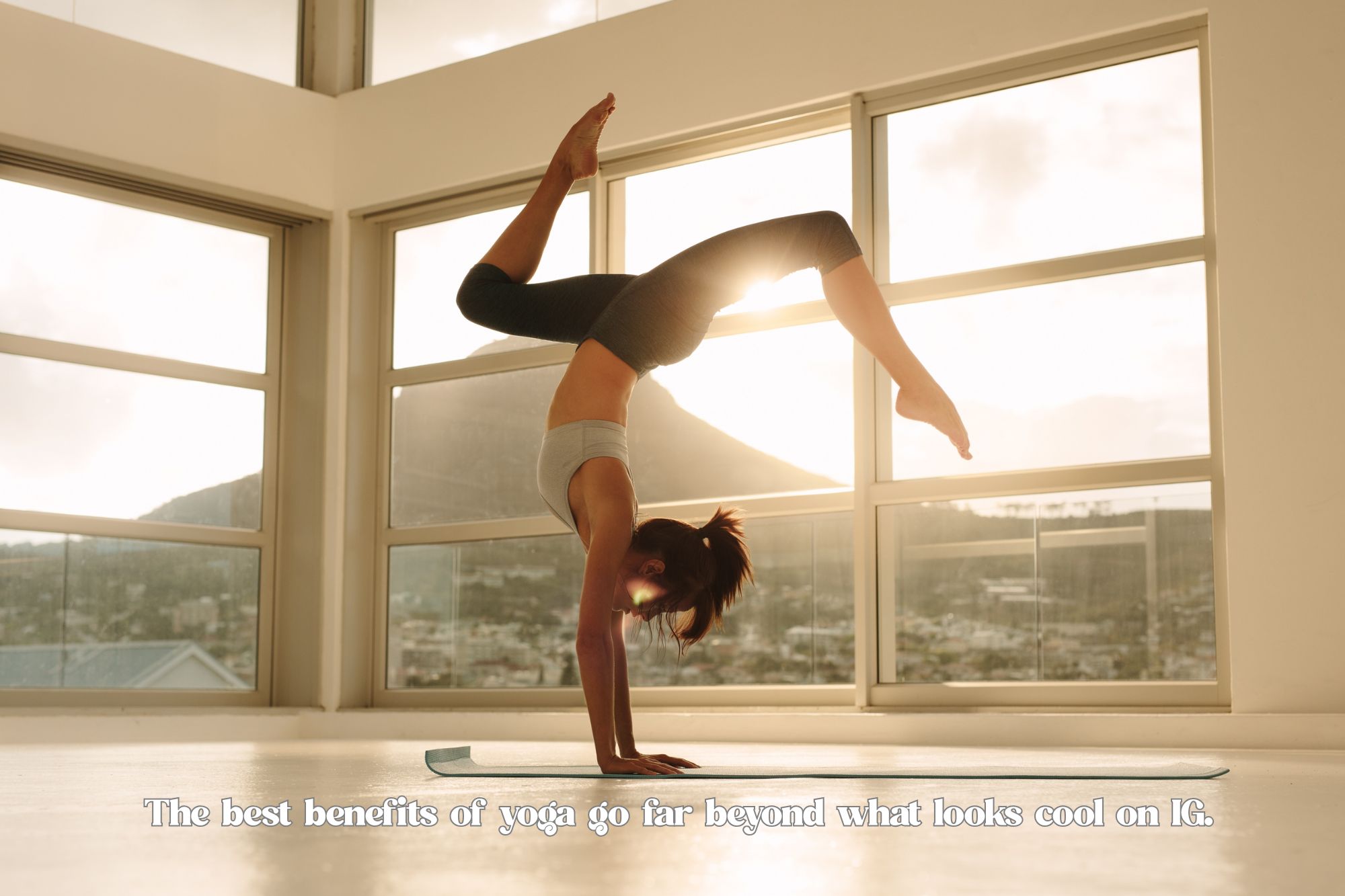
A lot of people come to yoga because they want to touch their toes (or do aesthetically pleasing cool stuff for instagram). Totally fine. What surprised me is how much the practice shows up off the mat. Yoga can help you notice where you’re holding tension (jaw, neck, low back), then soften it before it turns into an all-day ache. Mindfulness trains the same skill, spotting a sensation early, before it becomes a full-blown “why do I feel like this?” situation.
Breathwork matters here too. Slow, steady breathing often supports relaxation, which can make falling asleep easier. Yoga also builds strength in sneaky ways, like stabilizing muscles around hips and shoulders. That can help you sit, stand, and carry your life with less strain.
None of this is a promise or a cure. It’s more like giving your body better instructions. For a big-picture look at what research says across many studies, this systematic review of mindfulness-based interventions is useful context, especially if you like seeing how experts summarize the evidence.
2. These practices build personal development skills that stick
Mindfulness teaches you to pause, which changes your choices
Personal development can sound like a big project. New year, new you, color-coded planner, personality reboot (and if you want an ultimate guide, I have one for you). Mindfulness is smaller than that. It’s the ability to notice what’s happening before you react.

That pause is everything. It’s the difference between eating lunch because you’re hungry, and eating because you’re fried. It’s the gap between “I should quit” and “I’m uncomfortable and I can keep going for two more minutes.” That skill can support better habits because you start catching your patterns in real time. (And here are some more ways yoga helps personal development specifically)
Try this on a random Tuesday: when you feel the urge to check your phone, take one full breath first. Just one. You’re not banning anything. You’re building choice, and moving with intention as opposed to following a habit like a zombie.
Yoga builds self-trust, and that’s a personal growth superpower
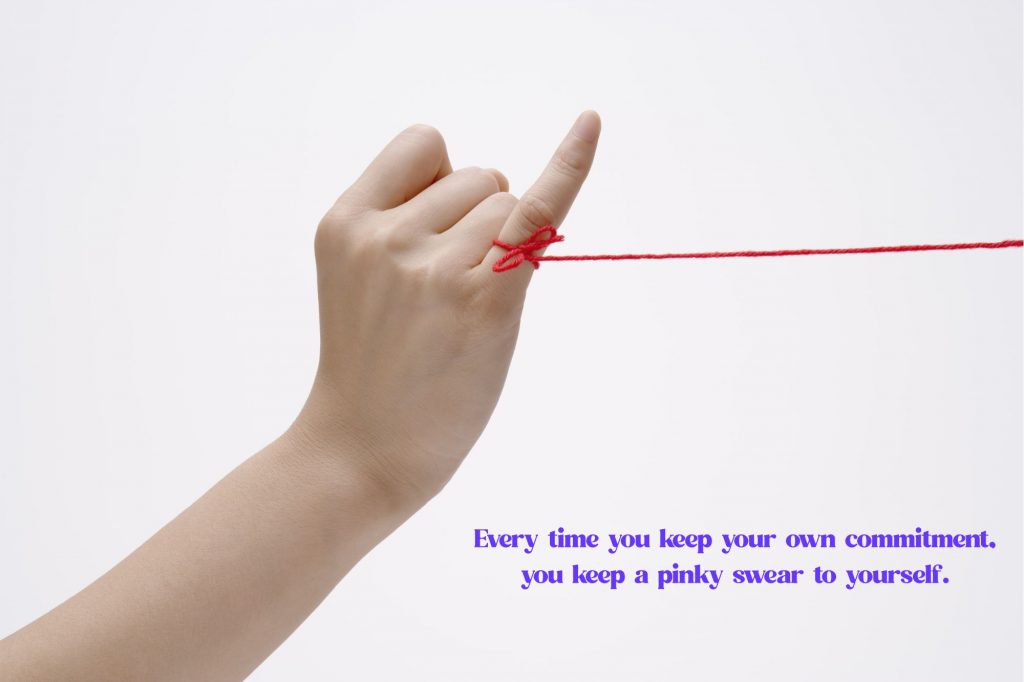
Yoga is personal development in motion. You practice showing up, even when you’re stiff, distracted, or not in the mood. You practice being a beginner (something I really need to practice even more). You practice listening to your limits without making it a whole identity crisis.
That’s self-respect. Not the loud kind. The quiet kind that says, “I can take care of myself today.”
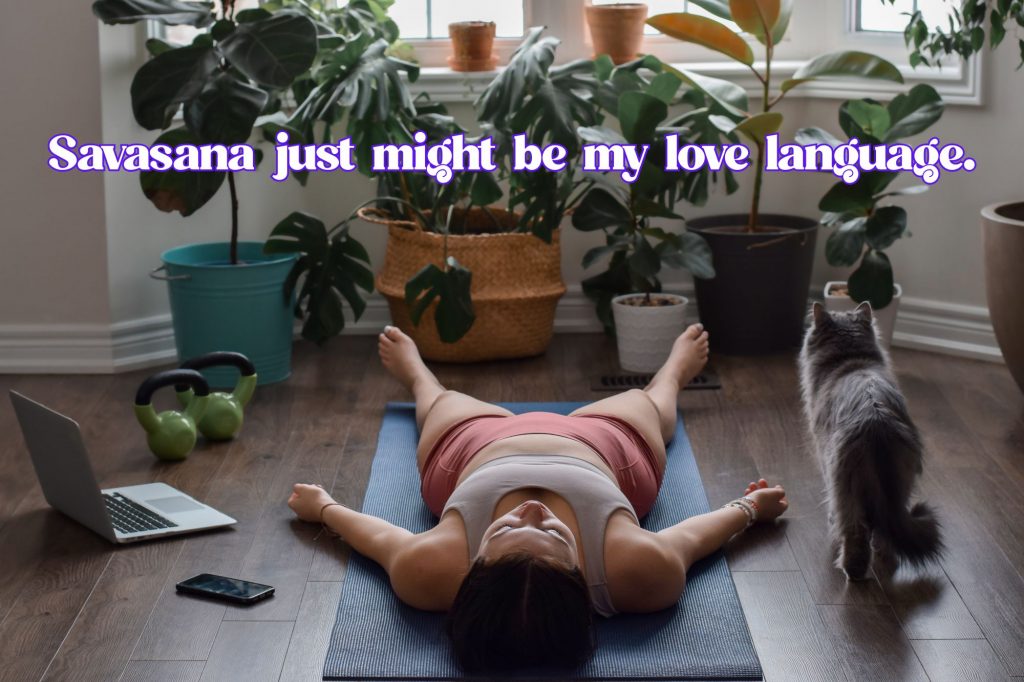
Over time, yoga can also make you more comfortable with effort. Holding a pose teaches patience. Balancing teaches focus. Resting at the end (yes, resting counts) teaches that recovery isn’t laziness. Those are life skills. They help at work, in relationships, and in the tiny private moments where you’re deciding who you want to be.
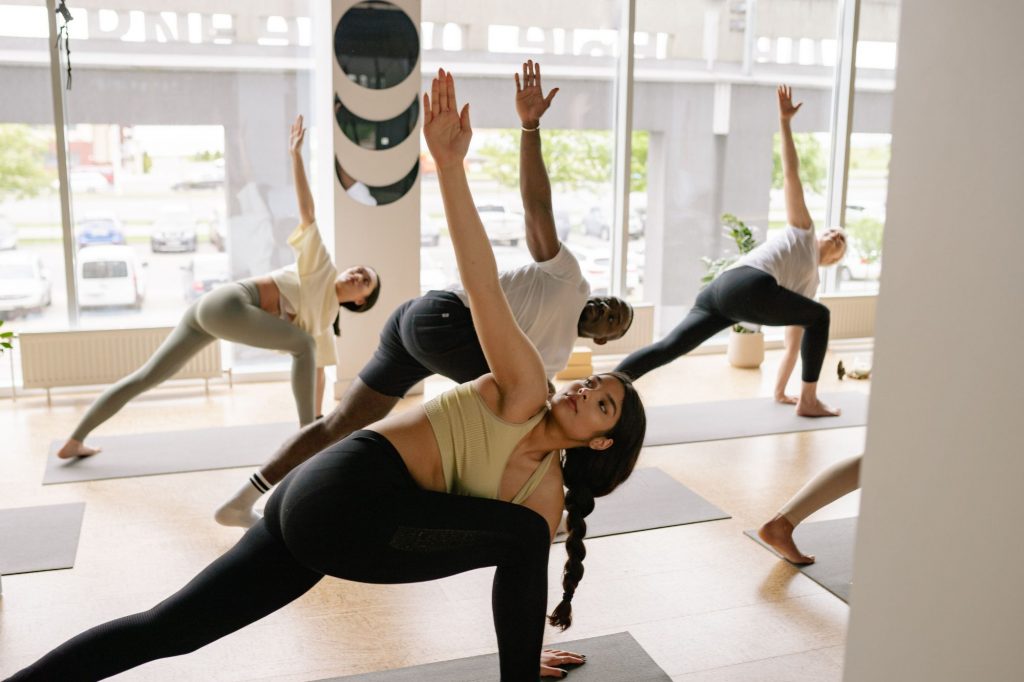
3. A mindfulness and yoga community, makes it social and easier to keep doing
Community turns “I’ll do it someday” into “See you Thursday”
Let’s be honest, consistency is hard when you’re alone with your good intentions. Practicing with other people can make it easier to keep going, even if you’re not a “joiner.”
In 2026, you’ve got options that don’t require becoming a studio regular:
- A beginner class at a local gym, yoga studio, or community center
- A friend meetup for a gentle flow in the park
- A live-stream class where you show up at the same time each week
- A short walking meditation with a neighbor (phones in pockets, just for 10 minutes)
The point isn’t perfection. It’s momentum. When someone expects you, you’re more likely to show up, even if you’re tired and your hair is doing something strange (plus, you can make your hair even stranger for a moment and ask “Would you still be my friend if my hair always looked like this?”.

It can fight loneliness in a low-pressure way
Loneliness can feel embarrassing, like you’re the only person who didn’t get the memo on how to build adult friendships (a lot harder when you don’t all live on the same dorm floor), especially if you move to a new city every ten minutes like me (may be exaggerating).
Group practice helps because it creates connection without demanding constant conversation. You’re doing something side-by-side. It’s gentle. It’s structured. There’s a start and an end, which makes it less awkward.
If you’re curious about what people report getting from group yoga (especially the “I feel less alone” piece), this qualitative paper, “Joining a group was inspiring”, puts real words to that experience. As a yoga instructor, it is beyond beautiful to see a group moving between cat and cow poses while seated – unison is gorgeous.
If groups make you nervous, start small. Arrive two minutes early, pick a spot near the back, and give yourself permission to leave right after. You don’t have to perform friendliness. Just being in the room counts… and maybe as you become a regular, it’ll feel less weird.
Connecting the dots (as easy as 1-2-3)
The benefits of mindfulness and yoga practices aren’t mysterious. They’re practical. A calmer mind, a stronger and more comfortable body, and personal growth skills you can actually use, like patience and self-trust. Plus, when you practice with others, you get more connection without forcing it.
Keep it simple this week. Choose one 7-day plan:
- 5 minutes of mindfulness each day (one breath at a time)
- 10 minutes of gentle yoga each day (slow stretches, easy poses)
Track it in your notes app, then invite one person to join you. Consistency matters more than intensity, and your future self will feel that.
Please choose your favorite image below and pin it to your Pinterest board on yoga, mindfulness, or personal development!

Hello! I’m Mandie.
I’m glad you’re here!
I’m passionate about learning and getting a lil better every day, and sharing what I learn with others.
You can learn more about me here!