
How to Create a Personal Development Plan (That You’ll Actually Use)
Table of Contents
If you’ve been feeling stuck lately, you’re not alone. I’ve had seasons where I wanted to grow, but my brain felt like an internet tab with 37 windows open… and no idea which one was playing the music. I also prided myself during this time for reading and listening to lots of PD (personal development) but it was more consumption, less focused, and no implementation (so no change).
A personal development plan is a simple roadmap to improve your skills, habits, and results. Nothing fancy. It’s how you stop “thinking about changing” and start changing on purpose.
Most people get stuck for a few predictable reasons: no clear goal, too many goals, or no routine to hold the whole thing together. This post gives you a clear, step-by-step plan you can finish in about 30 to 45 minutes, then start using today (even if your schedule is already full).
Start with a Clear Picture: Where you are Now and What you Want Next

A good plan starts with focus, not motivation. Motivation is moody. Focus is a decision you can make on a random Tuesday.
Before you pick goals, get honest about your starting point. Grab paper or open your notes app and do a quick self-check. Don’t overthink it. Fast answers are usually the real ones.
Do a quick personal audit (strengths, gaps, time, energy, support)
Here’s a simple checklist to copy:
- Top strengths: What do people thank you for? What feels easier for you than for others?
- Biggest challenges: What keeps slipping, even when you care about it?
- Current routines: What do your mornings, evenings, and weekends really look like?
- Biggest time drains: Scrolling, snacking, people-pleasing, doom-emailing, Netflix “for one episode”?
- Stress level (1 to 10): Be real, not aspirational.
- Support: Who could encourage you, teach you, or keep you accountable?

A few questions to write under the list:
- What do I want to be better at in 90 days? (Or WHO do I want to BE?)
- What keeps getting in my way most weeks?
- What am I already doing well that I should keep?
If you want another angle on what a solid plan includes, Mindtools has a helpful guide on preparing a personal development plan that can spark ideas without making it complicated.
If one of your goals is ditching perfectionism, you may like this journal!

Pick one main goal and set your “why” so you do not quit
Now the hard part… choosing one priority. (And more about why to read personal development books). “You can do anything, but you can’t do everything – at least not all at once.”
You can improve anything: career skills, health habits, confidence, relationships, money, learning. But if everything is important, nothing is. Your plan will turn into a wish list, then a guilt list. Or you’ll be scattered and spread so thin you’ll never get anything done.

Pick the goal that would make the next 3 months feel meaningfully better. Not perfect, just better. (You might even say “a lil better.” I know I would!)
Use this quick “why” formula so you don’t quit when life gets loud:
I want X, so I can Y, even when Z happens.
Example:
I want to get stronger, so I can have more energy after work, even when I’m stressed and tempted to skip workouts.
That “even when” part matters. It’s where your real life lives.
Build your personal development plan: goals, actions, and a weekly routine

To avoid making a plan that is pretty but impossible to follow, let’s create a personal development plan template that fits on one page and connects directly to your week.
Here’s a simple PDP layout you can copy:
| Part of your plan | What to write |
|---|---|
| Main goal | The one priority for the next 90 days |
| SMART version | Make it specific and time-bound |
| Weekly actions | 3 to 5 small actions you can repeat |
| Schedule | Days and times you’ll actually do them |
| Tracking | One simple way to see progress |
| Milestones | 2 weeks, 30 days, 90 days checkpoints |
If you like seeing how this looks in a work and career context, this individual development plan template and examples can help you borrow language that’s clear and practical.
Turn your goal into a SMART goal (with a simple example)
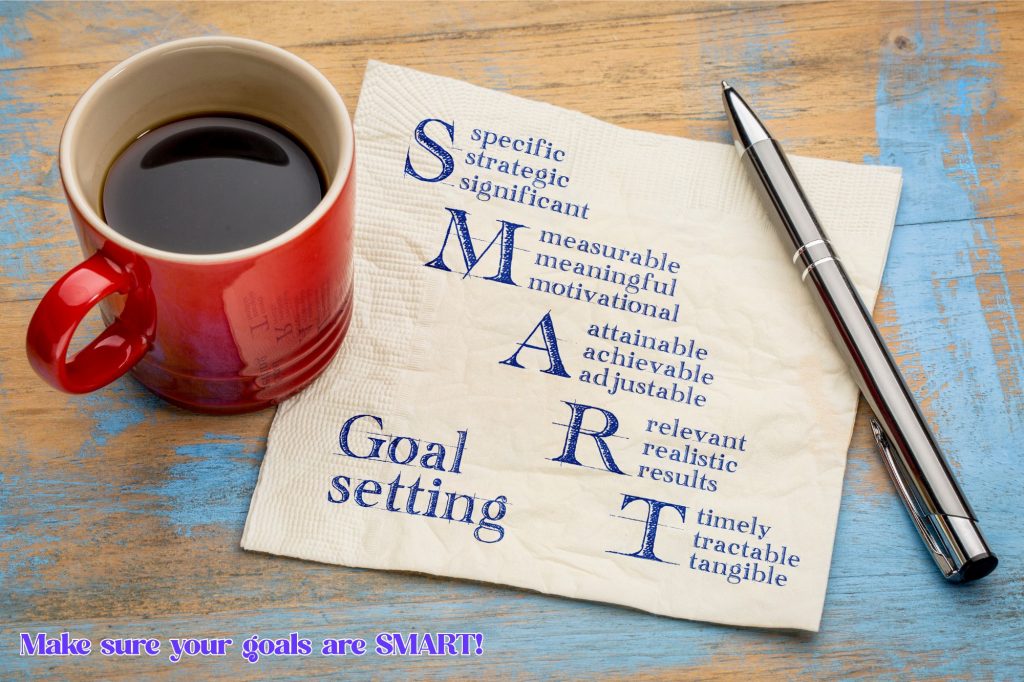
SMART goals sound formal, but they’re just a way to stop being vague.
- Specific: What exactly are you doing?
- Measurable: How will you know it happened?
- Achievable: Can you do it with your current life?
- Relevant: Does it match what you really want right now?
- Time-bound: What’s the deadline?
Example, public speaking:
- Vague goal: “Get better at public speaking.”
- SMART goal: “By April 1, I’ll give 3 short presentations at work (5 to 8 minutes each) and get feedback from one coworker after each one.”
It’s clear. It’s trackable. It doesn’t require a new personality.
Choose 3 to 5 weekly actions that fit your real life
Your weekly actions should be small and repeatable. Think “practice, read, train, apply, and get feedback.” These are the bricks. The goal is the house.
Start with 15 to 30 minutes, 3 to 4 times per week. Yes, that “sounds small.” That’s why you’ll do it. Sustainable, realistic, lasting changes make a bigger impact over time than a life overhaul.
If your plan needs an hour a day, it’s going to lose to laundry and life.
For more details, an ultimate guide to personal development reading could help.
Add tracking and milestones so you can see progress
Progress is fuel. If you can’t see it, it’s easy to quit.
Pick one simple tracking option: habit tracker (checkmarks only, no essays), calendar with checkmarks on the days you do the work, notes app list with dates and perhaps a weekly score out of 10 (effort, not perfection)
Then set milestones:
- 2 weeks: I showed up for my actions at least 5 times total.
- 30 days: I did one real presentation and asked for feedback.
- 90 days: I completed the full SMART goal and can name what improved.
Celebrate small wins. Not because you’re done, but because you’re moving. In my book Happiness Habits, I say I need a champagne sponsor as a celebration advocate. I wasn’t kidding!

Make it stick: review, adjust, and stay consistent when life gets busy
Life doesn’t wait for your self-improvement era to be quiet and calm. Your plan has to work in a busy week, a weird week, and a week where you’re not at your best. Besides, if your life was already quiet and calm, what do you need to improve?
Most personal development plans fail for one simple reason: nobody returns to them. A plan you don’t review is basically a hopeful journal entry.
Do a 10 minute weekly review to adjust your plan

Put a recurring 10-minute meeting on your calendar. Same day, same time. Keep it low drama, and use these prompts:
- What worked last week?
- What didn’t work?
- What’s the next smallest step?
- What will I change this week?
Then schedule your actions for the next week right after the review. If it’s not scheduled, it’s a “maybe,” and “maybe” rarely happens.
For another solid breakdown of what to include (plus a template vibe), Toolshero has a useful overview of a personal development plan (PDP) and template.
Common mistakes in personal development plans (and easy fixes)

- Setting too many goals: Pick one main goal for 90 days.
- Relying on motivation: Tie actions to a time and place (like brushing your teeth).
- Choosing actions that are too big: Shrink the task until it feels almost silly.
- Not asking for help: Add one accountability check-in (friend, mentor, coworker).
- Not scheduling time: Put the sessions on your calendar, then protect them.
The Secret Sauce
A personal development plan doesn’t need to be perfect; it needs to be used. Get clear on where you are and what you want next, build a simple plan with SMART goals and weekly actions, then review it every week so it stays real.
Start today with one goal and one action for this week. Right now, write your SMART goal in one sentence, then schedule your first 15-minute session. Future you will feel the difference sooner than you think… and that’s the whole point.
Please pin one of these images to your favorite personal development Pinterest board.


Hello! I’m Mandie.
I’m glad you’re here!
I’m passionate about learning and getting a lil better every day, and sharing what I learn with others.
You can learn more about me here!