
3 Steps to Make Personal Development Reading a Habit
Table of Contents
Before I learned to make personal development reading a habit, I used to be that person who bought the book, told everyone about said book, stacked it on my nightstand like a tiny trophy… and then never finished the book (or worse – read it all, but didn’t change a thing in my life).
If that’s you, you’re not broken. You’re just living a real life. Work runs long. Your phone is loud. Your brain is tired. And “read more” sounds nice until it bumps into dinner, laundry, and the fact that you’d rather scroll.

This is how I finally built a personal development reading habit without needing a new personality or superhuman willpower. The goal is small daily reading that adds up, then turns into real-life change, the kind you can feel on a random Tuesday.
1. Start with a simple reading plan you can actually stick to
A reading habit doesn’t fail because you “don’t care enough.” It fails because the plan doesn’t match your actual day.
So let’s make it easy, clear, and repeatable. That’s the whole vibe.
First, pick one time that already exists in your schedule. Not a magical time you might have someday, a time that’s already happening. Then attach reading to it. Think of it like hooking a new train car to a train that already runs.

Here’s a schedule that works for a lot of people (and yes, it’s boring… boring is good):
- 10 minutes after breakfast, before you open any apps
- Same chair, same light, same book
- Stop when the timer ends, even if you want to keep going
That’s it. No “finish a chapter.” No “read 30 pages.” Just show up and stop on purpose. You’re teaching your brain that reading fits here now.
If it’s possible to read right away in the mornings, I love that. It gives your mind positive input. It gives you the opportunity to implement, and if it’s already done, you don’t have to worry about fitting it in later.
And if mornings are chaos, pick another “already happening” moment: after lunch, on the train, right after you plug in your phone at night. You’re not looking for perfect, you’re looking for repeatable.
Pick the right personal development books for your current goal (not your fantasy self)
This part matters more than people admit. If you pick a book for your fantasy self (the one who wakes at 5:00 AM, journals, runs, drinks green juice), you’ll avoid it. Every page feels like homework.
Pick a book for the you who exists today, with one problem you actually want to solve: stress, confidence, money, focus, relationships.
If you need ideas, a curated list like books to change your mindset recommended by psychologists can help you narrow it down without getting stuck in endless “best of” lists.
When you’re screening a book, do these three quick checks:
- Read the table of contents: If none of the chapters feel like “yes, that’s my issue,” skip it.
- Skim one chapter: If the writing annoys you now, it’ll annoy you later.
- Look for actions or exercises: Even tiny prompts count. If it’s all theory, you might not use it.
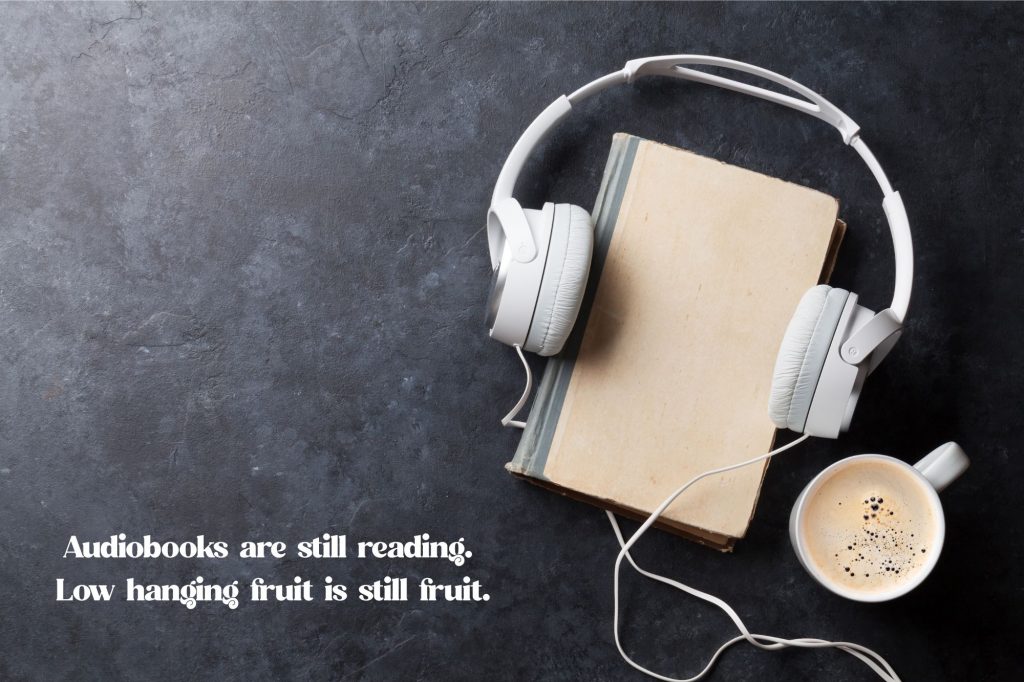
Also, give yourself permission to mix formats beyond hardcover or paperback. Print at home, ebook on your phone (with notifications off), audiobook for walks. “Reading” is still reading if you’re learning and applying.
Set a tiny daily target and a clear trigger so reading becomes automatic
Your daily target should feel almost too easy. That’s on purpose. Try 5 to 10 pages or 10 minutes. Choose one. The target is your minimum, not your limit.
Now pair it with a trigger, which is just a simple “after X, I read.” Examples:
After coffee, I read.
On the bus, I read.
After I brush my teeth, I read.

A few small things make this automatic faster:
Keep the book visible (on the counter, on your pillow, by your keys).
Use a bookmark so you don’t “lose your place” and quit.
Pick one consistent time and place for the first two weeks.
And plan for bad days. Bad days are coming. Make your minimum so small you can do it tired, cranky, and busy. Two pages still counts. The win is showing up.
2. Make reading easy, enjoyable, and hard to skip
A lot of people think habits are about motivation. They’re mostly about friction (or lack thereof).
If reading requires you to find the book, find the light, find your glasses, fight your phone, and then “get in the mood”… you’ll skip it.

So we set up your environment so the lazy choice is the reading choice.
If you want extra ideas for building a routine that feels more like a ritual (without making it precious), this piece from the Booker Prize site on how to create good reading habits has a lot of practical, human advice.
Build a distraction-friendly reading setup in 2 minutes
This is the fastest setup that actually works:
Put your phone in another room, or flip on Do Not Disturb.
Set a timer for 10 minutes.
Sit in the same spot you’ve been using.
Keep a pen or sticky notes nearby.
That’s it. Two minutes of setup (or less), and ten minutes of reading.

Ten focused minutes counts. It counts more than 30 minutes of half-reading while you bounce between texts and tabs.
If you’re doing audiobooks, you can do the same thing, just in motion: listen while walking the dog, folding towels, or doing dishes. The key is one repeatable slot where it happens.
Use quick notes and highlights to turn reading into real self-improvement
Here’s the truth I had to learn: reading isn’t the growth, using what you read is the growth.
But don’t panic, you don’t need a color-coded system. Keep it lightweight.
Try this after each chapter:
1 sentence: What’s the point of this chapter?
1 idea: What do I want to remember?
1 action: What will I try this week?
That’s it. Three lines.

Put those notes in one place only, either a Notes app or a tiny notebook you keep with the book. One place keeps you from losing the thread.
Also, don’t highlight everything. Highlight like you’re paying for ink. One or two moments per chapter is enough to find the good stuff later.
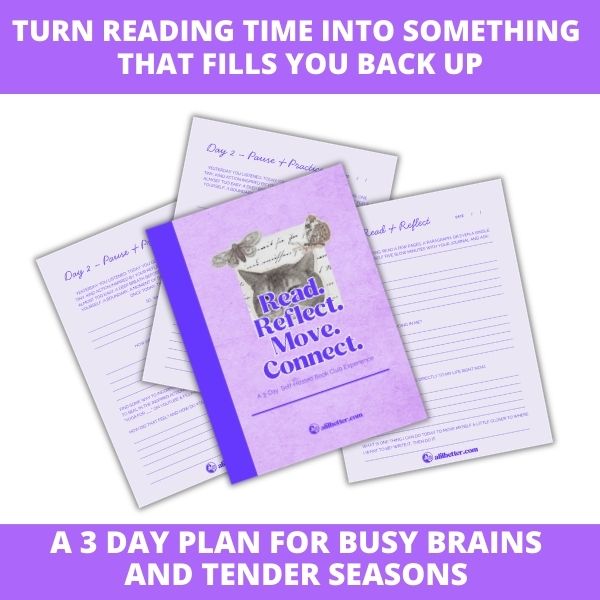
And if you’d like a little help or more structure, check out this free tool:
3. Turn reading into long-term growth with tracking, accountability, and review
The first week is cute. The second week is when life starts swinging.
This is where people drop off, not because they “forgot,” but because there’s no proof it’s working yet. So you need a simple way to see progress, then a simple way to keep momentum.

Track your reading streak, but measure progress by actions taken
Tracking should take under 30 seconds. Pick one:
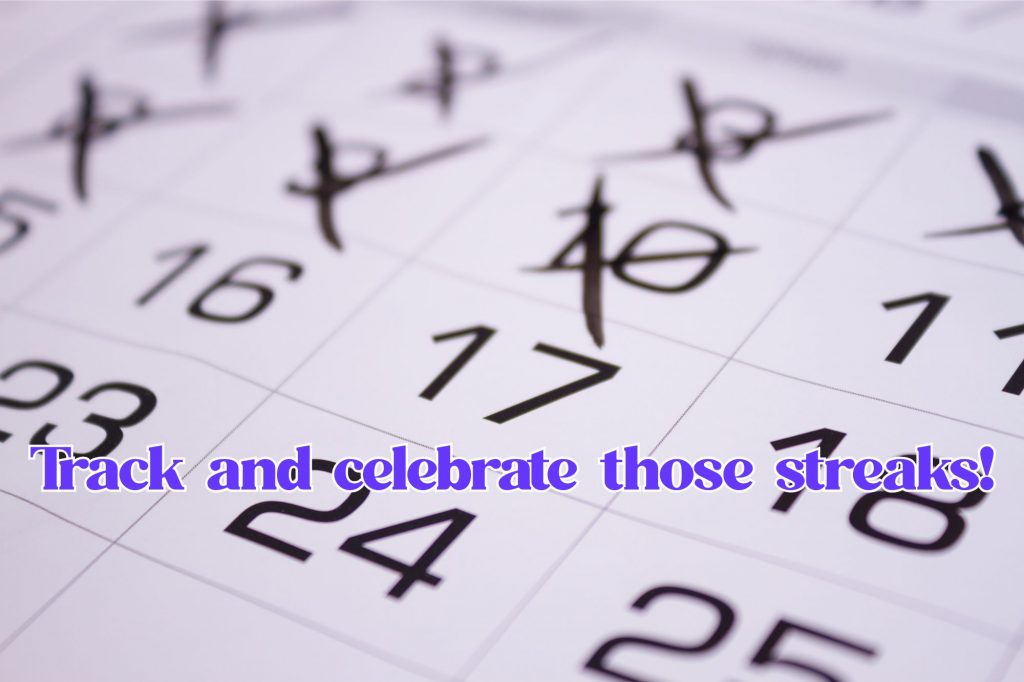
Calendar X method: Put an X on the day you read.
Habit app: Tap one button, done.
For app ideas and comparisons, this roundup on how to track your reading in 2026 is a helpful starting point.
Now the part that actually changes your life: for every reading session, write one tiny action you’ll do next. Not “change my life,” just something small.
Examples:
Practice one tip for a hard conversation.
Do a 5-minute planning session for tomorrow.
Try a breathing exercise before your next meeting.
Actions are receipts. They’re proof your reading is doing something.
Finish more books with a next book list and a monthly review
Set a stopping rule for bad-fit books. Mine is: if I’m not into it by page 30, I can quit. Not every book deserves your time just because you bought it, and you don’t need to add more friction by forcing yourself to read a book that’s not right for you.
To keep forward momentum, have the next book ready (either for after finishing a good one, or replacing one you’re not loving).
Keep a short “next book” list (three titles max). When you finish something, you don’t waste a week hunting for the next perfect book.
It’s also important to track your progress (so you notice it) and celebrate it! Once a month, do a quick review. Ten minutes. Ask:
What did I learn?
What did I do?
What will I keep doing?

Then share one takeaway with a friend, a group chat, or even a quick post online. Accountability doesn’t have to be intense, it just has to exist.
Putting it all together
Building a personal development reading habit comes down to three things: a simple plan that fits your day, a setup that makes reading easy to start, and a way to keep going after the “new habit” shine wears off.
Start today, not someday. Choose one book that matches a real problem you want to solve, pick a trigger you already have (after breakfast works great), and read for 10 minutes tonight. Small, steady, and real beats big, dramatic, and forgotten.
And if you’d still love more tips to take it further, an ultimate guide to personal development reading can be at your fingertips with one click.
Please pin one of the images below to your favorite personal development Pinterest board!
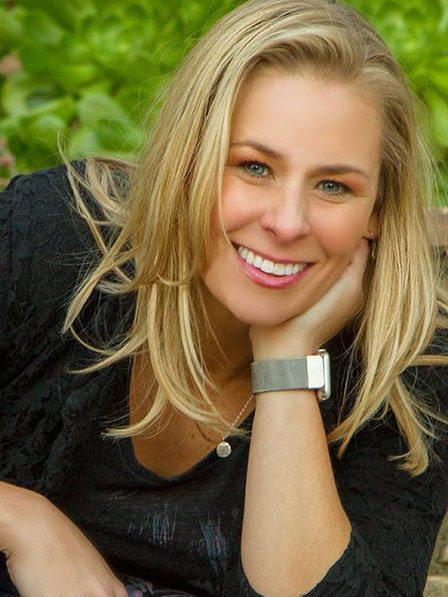
Hello! I’m Mandie.
I’m glad you’re here!
I’m passionate about learning and getting a lil better every day, and sharing what I learn with others.
You can learn more about me here!