

Better Together: 3 Ways Reading Personal Development with Friends is Best
Table of Contents
Have you ever bought a personal development book, read the first few chapters, felt SUPER motivated… and then somehow it ended up under a stack of mail? Same. Life gets loud. Work gets busy. Your brain gets tired. And the big ideas you loved on page 27 don’t always make it into your Tuesday morning.
That’s why reading personal development books with friends can feel like a small miracle. You can do it in person at someone’s kitchen table, or online from the couch in sweatpants (a classic). Either way, you’re not trying to “self-improve” alone in the dark.

In this post, you’ll see why group reading helps you finish the book, remember the ideas, have more fun, feel less lonely, and take real action steps that stick. Turns out Jack Johnson did have it right – it’s always better when you’re together.
1. Why reading personal development with friends works better than reading alone
Reading alone is peaceful… until it isn’t. It’s easy to skip “just this week,” then two months pass and you don’t even remember the author’s name. A personal development book club changes that because it turns reading into a shared project (and hopefully not one where one person does all the work).
First, it adds structure. A self-improvement group has a rhythm: a chapter goal, a meeting time, and a quick moment to reflect. The book stops being a private good intention and starts being something you actually do.

Second, it adds meaning. Personal growth books can feel a little abstract when you’re reading in your own head. In a group, people bring their real lives into the room. Someone says, “I tried the habit thing and failed on day two,” and suddenly you’re not ashamed, you’re curious – and you have the feedback of others to help you avoid the same problems.
Third, it adds connection. A lot of us are trying to build better habits, better boundaries, better confidence, and we’re doing it while feeling slightly isolated. Talking about change with other humans makes it feel normal.
If you want a broader look at why people stick with book clubs (even outside self-help), this overview on the benefits of joining a book club captures the big picture: discovery, motivation, and community.
Accountability that actually helps you finish the book

Accountability gets a bad reputation because people picture pressure, guilt, or someone lecturing you. A good group reading setup feels more like a friend tapping the calendar and saying, “Hey, are we still on for Thursday?”
What helps most is the simple stuff:
- A set meeting time (same day, same time)
- A small reading goal (so it doesn’t turn into homework)
- A quick check-in that focuses on progress, not perfection
One method that works shockingly well: agree on 20 to 30 pages per week, then at the meeting each person shares:
- one takeaway they liked
- one action they’ll try before the next meeting
That’s it. No speeches. No shame. If someone didn’t read, they can still come, listen, and pick one idea to test. Gentle accountability is the goal, because harsh accountability makes people disappear.

Not sure about you, but it is a lot harder for me to disappoint someone else than myself, so I know if even one person will ask if I read or implemented, I’d do what I need to do to say yes!
Deeper learning when you talk it out and hear other views
A lot of personal development books sound obvious while you’re reading. “Drink water.” “Set goals.” “Think positively.” Sure, yes, thank you. But the real question is, what does that look like in your actual life, with your actual personality, and your actual schedule?
Discussion turns ideas into understanding. Try prompts like:
- What would this look like in real life for you?
- What part felt hard to believe?
- What is one small test you can run this week?
Different backgrounds make this way better. Your friend who’s a parent hears time management advice differently than your single coworker (and let me tell you – reading as a parent now versus BEING the single person hits VERY differently!).
Someone who grew up with money may read a chapter on risk in a completely different way than someone who didn’t. That mix is not a problem; it’s the point.

Group reading also helps you catch the “I’ll do this someday” trap (and never change a thing). When you say your plan out loud, it becomes real, in the best way.
2. How to find a personal development book club that stays consistent
This part matters, because lots of book clubs start with big energy and then fizzle when schedules collide. The goal isn’t perfection, it’s consistency you can live with.
Start by deciding what you want: do you want a personal development book club that’s more like a discussion circle, or more like an action group? Both are fine, but it helps to name it up front. If half the group wants deep talk and the other half wants habit tracking, people get frustrated fast.
Next, choose a format that fits your life right now:
- In-person: a living room, library meeting room, or coffee shop
- Virtual: Zoom, Google Meet, even a group call if you’re keeping it simple
- Hybrid: in person when possible, online when life happens (because it will)

If you want a straightforward guide for the basics, Penguin Random House’s tips on getting started with a book club can help you think through logistics like picking books and setting expectations.
The best “consistency hack” is boring but true: pick a meeting time people can keep even on a weird week. If you schedule it like an optional social event, it’ll get bumped. If you schedule it like a standing appointment, it has a chance.
Pick the right people, size, and meeting rhythm
Aim for 4 to 8 people for in-person. Less than four can feel fragile if someone can’t make it. More than eight gets hard to manage, and the quieter people fade into the background.
Meeting rhythm is where most groups either win or die:
- Weekly works if the reading goal is small and meetings are short.
- Every other week works for busier seasons and longer books.
- Keep meetings to 45 to 60 minutes so it doesn’t feel endless.

Where to find people (without making it a whole stressful project):
- Friends who keep saying “I need to get my life together” (said lovingly)
- Coworkers who like learning and won’t make it weird
- Community groups (faith groups, rec centers, neighborhood groups)
- Library groups
- Online spaces like this site, Discord, or Reddit (especially for niche interests)
- Meetup groups (if you’d rather join than organize)
If you’re looking for something to do together, try using this tool:
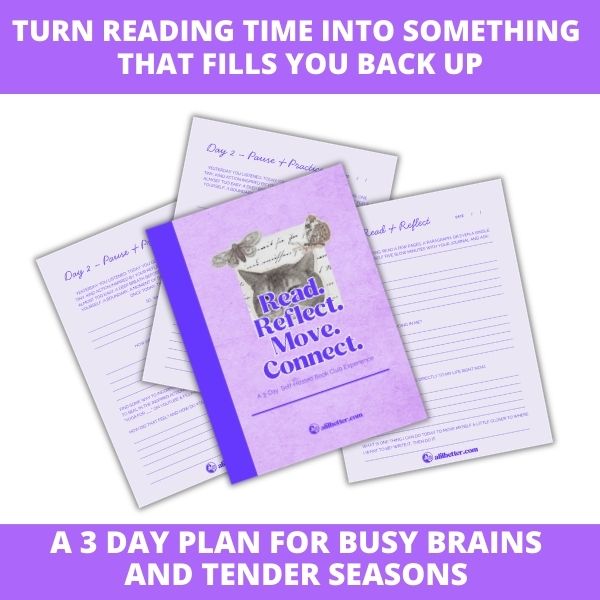
One more tip: agree on what “showing up” means. Some groups expect everyone to read every time. Others are fine with people being behind. Say it out loud. That single step prevents so many awkward moments later.
3. Make it fun, build real connection, and fight loneliness while you grow

Personal growth can feel weirdly lonely. You’re trying to change patterns you’ve had for years, and your brain would honestly rather watch a show and eat chips. A self-improvement group gives you a place where growth is normal. Not performative, not because you’re broken, just normal.
And honestly… it’s also just nice to have something to look forward to that isn’t work or errands.
If you’re curious about the mental health side of book clubs, this piece from Psychology Today on why book clubs are good for your mental health explains why connection and routine can matter so much.
Add fun so it feels like a hangout, not homework
Fun is not fluff. Fun is follow-through.
A few easy ideas that keep group reading light:
- Snacks or coffee (even virtually, everyone brings their own)
- Themed meetings (cozy night, “bring your favorite pen,” pajama call)
- A short “reading sprint” at the start, 10 minutes silent reading together
- A monthly mini-celebration when you finish a book (nothing fancy, just a moment)
Yes, my book club surprised me with a beret-themed night. It was incredible.
Make room for humor and honesty. Someone will admit they only read the summary. Someone will mispronounce a word. Let it be messy. That’s what makes people come back.
Use the group to combat loneliness with small, real connection habits
The best part of reading personal development books as a group is the quiet trust that builds. You show up. You get heard. You try again next week or month. That alone can soften loneliness.
Try a few connection habits that don’t feel intense:
- A 2-minute check-in at the start (high, low, something you’re working on)
- Optional “buddy pairs” between meetings for quick encouragement
- A group chat for small wins, gentle reminders, and “I did the thing!” messages
Also, boundaries matter. Keep sharing optional. Respect privacy. Nobody should feel forced to talk about trauma because a chapter brought something up. A good group makes space, it doesn’t push.
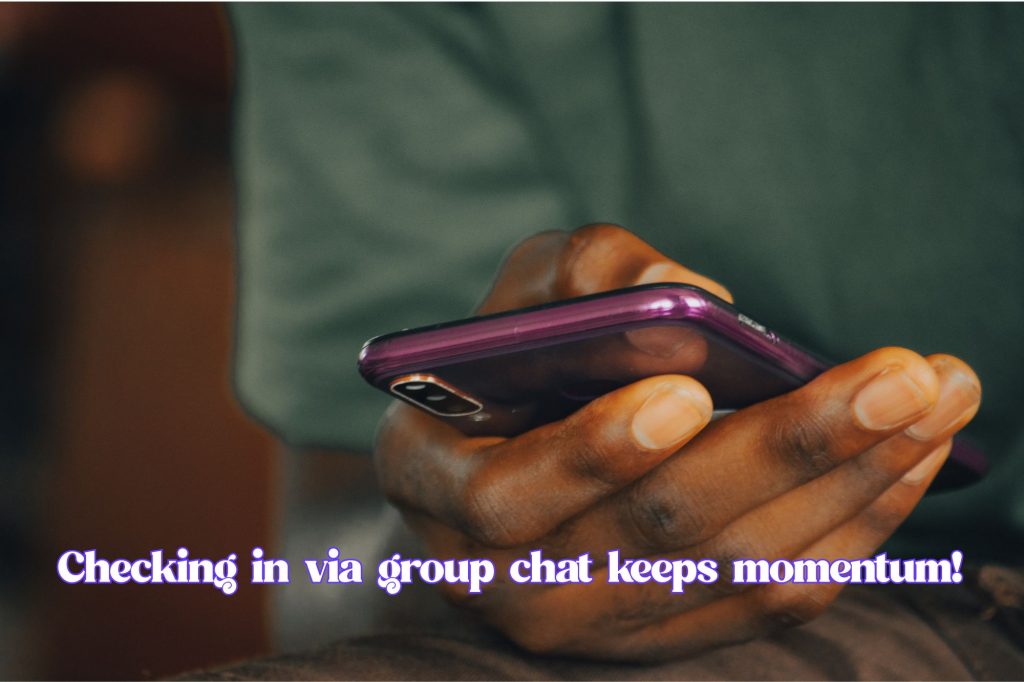
Getting it all together (get it? Where it’s better? Together? Because, you know… a group)!
Reading alone can inspire you, but reading together can actually change your week (or even better – life). A personal development book club gives you accountability that helps you finish, conversations that deepen the lessons, fun that keeps it from feeling like chores, and real connection that makes growth less lonely.
Your next step can be simple: invite 3 to 5 people, pick one short book, set the first meeting date, and keep the first month easy. Show up, laugh a little, try one small action, then repeat. Progress over perfection, always. And if you want tons of info to take it further, there’s an ultimate guide to personal development reading here.
Please pin your favorite of these images to your book club Pinterest board!



Hello! I’m Mandie.
I’m glad you’re here!
I’m passionate about learning and getting a lil better every day, and sharing what I learn with others.
You can learn more about me here!