
Why Read Personal Development Books (6 Life-Changing Reasons)
Table of Contents
Reading is having a huge moment now. Whether it’s booktok to thank, or a return to older ways as an escape from AI, more folks are reading (or maybe I’m seeing it more). There are tons of options, including huge series of romantasy (who doesn’t need a little escape from reality?) With all these great options, why read personal development books?
I used to wake up, rush straight into my day, and suddenly it was 11 p.m. and I had no idea what I’d actually done for myself.
Just work. Scrolling. Worry. Repeat.
Then I joined a network marketing organization and was encouraged to spend time each day doing either personal development reading or listening. I thought it would be cheesy. I thought the self-help category was for people with really sad lives.
Instead, it felt like someone had quietly opened a window in a stuffy room. Not because I was broken or miserable, but because smart people don’t pass up chances to learn from other smart people.
That’s what personal development books really are. They’re not just for people in crisis. They are simple, practical guides written by people who have tried things, messed up, learned, and then decided to share what worked.
They can help you get clearer about what you want, build better habits, feel more confident, and even improve your relationships. And if you use them well, they can speed up your growth in a way that trial-and-error alone rarely does.
This post is your friendly guide to why these books matter, how they change how you think, and how to actually use them in real life, with action steps, accountability, and maybe even a little community around you.
If you’re reading this and already ready to get started, check out my Ultimate Guide to Starting a Personal Development Reading Journey.
How Personal Development Books Help You Grow Faster
Trying to figure life out from scratch is like building a house with no plan. You might get there eventually, but it will cost you a lot of time, money, and energy.
Personal development books let you borrow someone else’s plan and then adjust it to your life.
Therapists and coaches often talk about how books can support personal growth, because they let you test new ways of thinking and acting without needing a full-time mentor in your back pocket.

1. You Learn From Other People’s Wins and Mistakes
Every author has already paid for their wisdom in time, stress, or money.
When you read their story about burning out, healing from heartbreak, building a business, or learning to set boundaries, you get to “rent” their experience instead of buying it with your own pain.
Instead of spending three years guessing how to manage your time, you can read a time-management book, try one or two tools, and see results in a few weeks.
That’s the value of learning from other people’s wins and mistakes. You still have to do the work, but you skip a lot of blind stumbling.
If you want more ideas, this thread on the benefits of reading for personal growth and development sums it up in a pretty honest way: books only help if you use what you read.
2. You Get Clearer About Who You Want To Be
Most of us walk around with a fuzzy picture of our future. “I just want to be happy.” “I want more balance.” “I want to feel better.”
Personal development books ask sharper questions. Things like:
- What does a good day actually look like for you?
- How do you want people to feel after spending time with you?
- If nothing changed in 1 year, how would you feel?
(To love who you are now just a little more, check out this free resource)
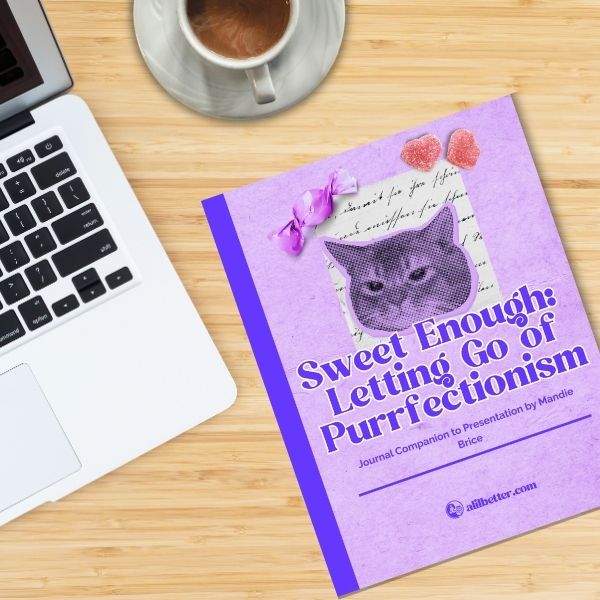
Many books include reflection questions, journal prompts, or simple vision exercises. You don’t need a fancy notebook. A messy note in your phone counts.
Clarity is powerful. When you know what kind of person you want to be, it becomes easier to choose classes, jobs, friendships, and even how you spend a random Tuesday night.

3. You Build Practical Skills For Real Life
School rarely teaches you how to:
- Calm yourself during a panic spiral
- Talk about a hard topic without exploding
- Stay focused when your phone is screaming for attention
- Break a bad habit that keeps pulling you back
Good personal development books cover real-life skills like stress management, habit building, conflict skills, focus and deep work, communication, and listening.
For example, one chapter might walk you through how to have a tough talk with your partner or boss. You can literally use the sample sentences, practice once, and have the conversation that has scared you for months.
That’s not “magic.” It’s step-by-step coaching in book form.

Why Reading Personal Development Books Can Change How You Think
Your thoughts shape what you notice, what you try, and what you believe is possible.
You don’t have to use fancy psychology words to see this. If you walk around thinking “I always mess things up,” you will feel different than someone who quietly thinks, “I am still learning, but I can figure this out.”
Self-help reading is often linked to better emotional health, partly because it gives new ways to see yourself and your problems. There is research on self-help reading and emotional well-being that backs this up, but you can also test it in your own life.
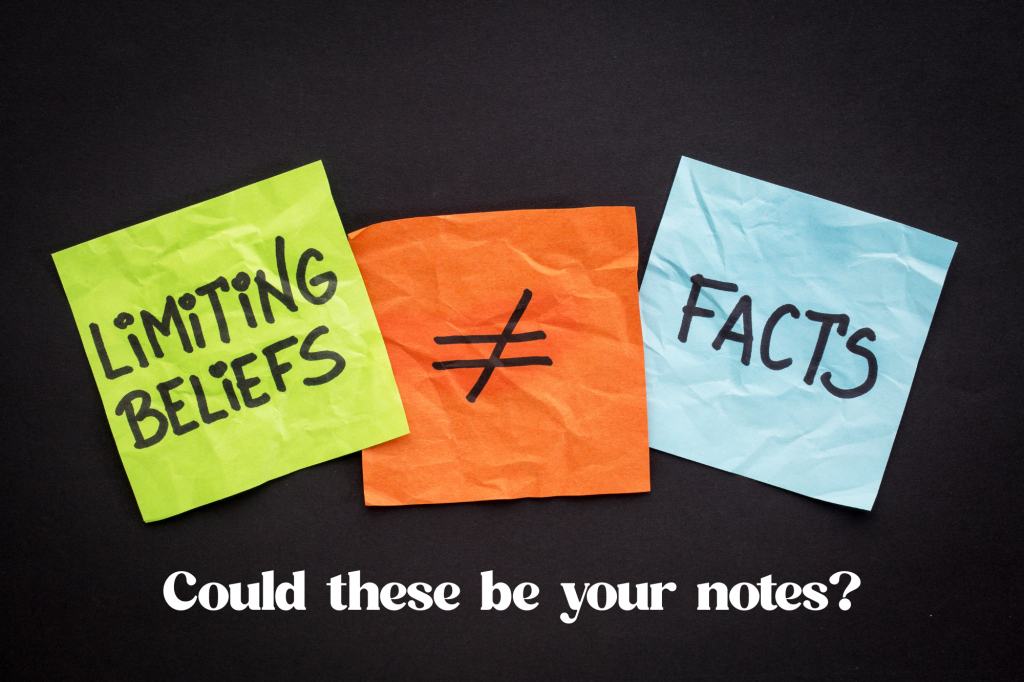
4. You Start To Question Old, Unhelpful Beliefs
Many of us carry quiet, harsh lines we picked up years ago:
“I’m lazy.”
“People like me never succeed.”
“I am just bad with relationships.”
Then you read a story about someone who thought the same thing, and you watch them slowly prove that voice wrong. It plants a tiny seed.
Maybe “I am lazy” turns into “I lose energy when I am overwhelmed, and I can work with that.”
That small shift changes what you try next. You might set smaller goals, ask for support, or try one new habit instead of giving up before you start.
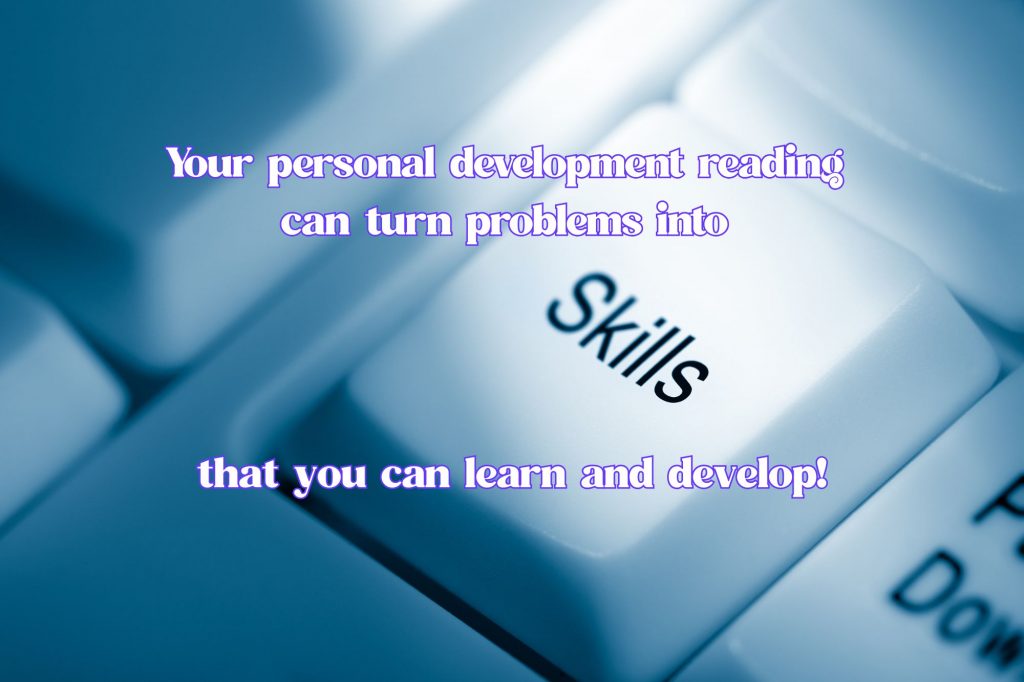
5. You See Problems As Skills You Can Learn
When you see your problems as permanent walls, you feel stuck.
“I’m bad with money.” “I’m terrible at speaking up.” “I always procrastinate.”
Personal development books often reframe these as skills, like money management, assertive communication, and focus and planning.
Skills can be learned and improved. You wouldn’t expect yourself to play piano well without practice. So why expect yourself to be “good with money” without ever learning basic money skills?
Once you see a problem as a learnable skill, the fear softens. You stop asking, “What is wrong with me?” and start asking, “What small skill could I practice this week?”
6. You Feel Less Alone In Your Struggles
There is something oddly comforting about reading a stranger describe your exact fear.
The panic before a meeting. The shame after a fight. The quiet worry that you are behind everyone else.
Many personal development authors share their own stories of doubt, failure, and messy growth. Hearing those stories in your own head, at your own pace, helps you feel normal instead of broken.
That sense of “oh, it is not just me” matters. When growth feels hard, feeling less alone can be the difference between quitting and trying again.
And now? Books Help, But Let Action Lead
So, why read personal development books at all?
Because they let you learn faster from other people’s wins and mistakes. They help you see yourself and your problems in a new way. They teach real-life skills that make everyday stress, habits, and relationships easier to handle.
But reading is only step one. Reading alone is just entertainment. Your life changes when you take what you learn, try tiny actions, stick with them long enough to see results, and let at least one other person walk beside you.
If you want a simple next step, here it is:
- Choose one book
- Pick one idea from it
- Decide on one tiny action for this week
- Invite one person to support you
That is all. No drama. No perfect plan. (Though if you’re a planner, this could help you make one)
Just a quiet, steady start to becoming the person you already know you can be.
Please pin one of the images below to your favorite personal development book board!
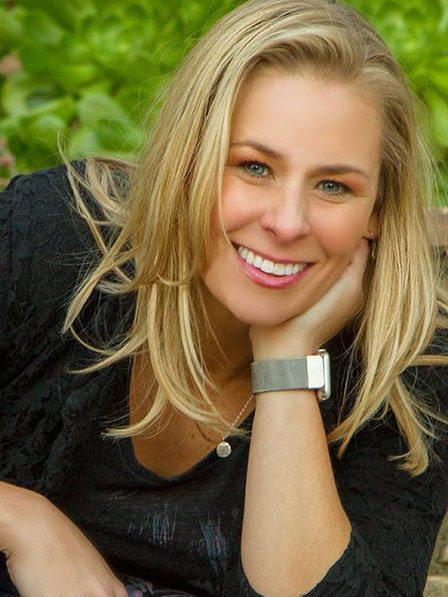
Hello! I’m Mandie.
I’m glad you’re here!
I’m passionate about learning and getting a lil better every day, and sharing what I learn with others.
You can learn more about me here!